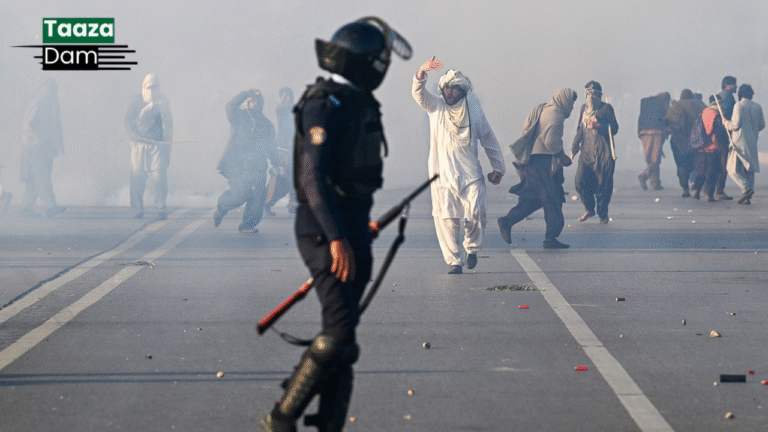
Pakistan Declares Water Rights a ‘Red Line’ Amid Indus Treaty Tensions

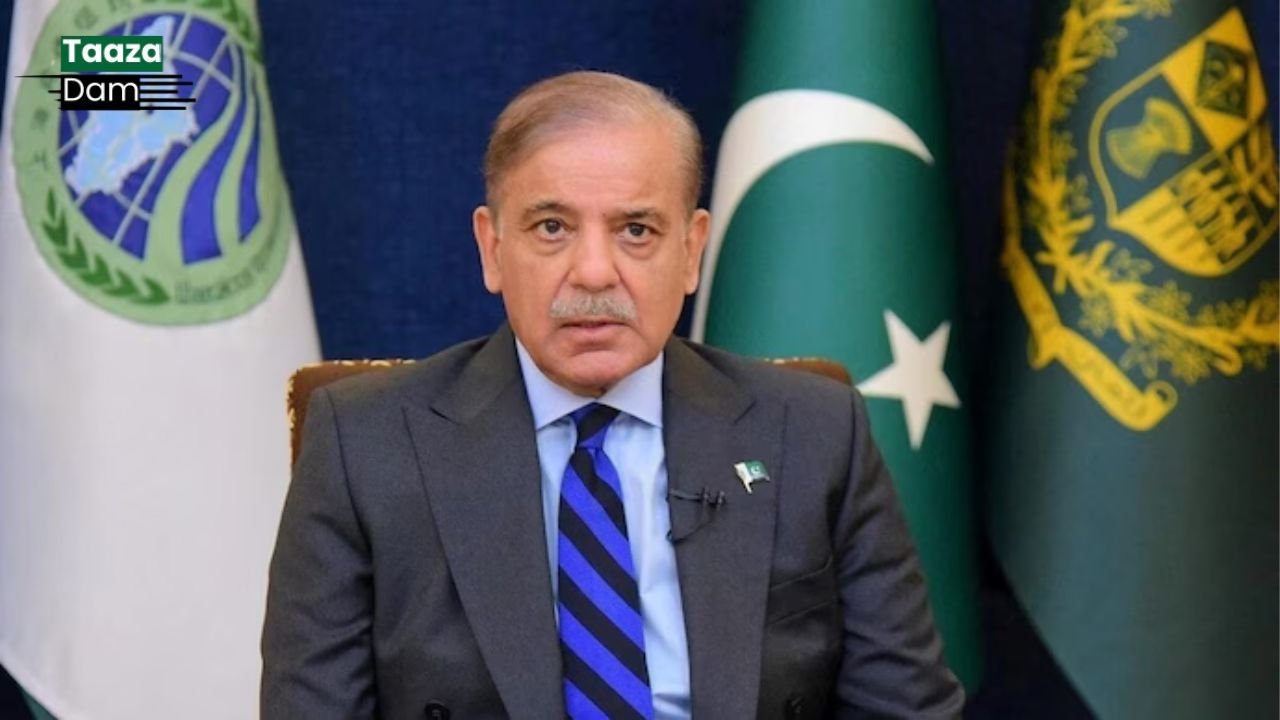
Dushanbe, Tajikistan – May 31, 2025
Prime Minister Shehbaz Sharif has firmly stated that Pakistan will not tolerate any violation of its water rights, emphasizing that the suspension of the Indus Waters Treaty (IWT) by India crosses a “red line” for the nation.
“India’s unilateral and illegal decision to hold in abeyance the Indus Waters Treaty, which governs the sharing of the Indus Basin’s water, is deeply regrettable,” Sharif declared at the High-Level International Conference on Glaciers Preservation in Dushanbe.
He warned that such actions jeopardize millions of lives and that Pakistan will not allow its water rights to be compromised for political gains.

Background: Indus Waters Treaty Under Strain
The IWT, signed in 1960, has been a cornerstone of water-sharing between India and Pakistan. However, following the Pahalgam terror attack in April 2025, which resulted in 26 fatalities, India suspended the treaty, citing Pakistan’s alleged support for cross-border terrorism.
In response, Pakistan has raised concerns over the treaty’s suspension at international forums, seeking global support to uphold the agreement.
Military and Political Unity on Water Security
Echoing the Prime Minister’s sentiments, Pakistan’s Army Chief, General Asim Munir, emphasized the critical importance of water security, stating that water is a “red line” for the country and that no compromise will be made on this fundamental right.
This unified stance underscores the strategic significance Pakistan places on water resources and the IWT.
India’s Rebuttal at International Forum
India has dismissed Pakistan’s allegations, asserting that the suspension of the IWT is a consequence of Pakistan’s own actions, particularly its alleged support for terrorism. At the same conference in Dushanbe, India’s Minister of State for Environment, Kirti Vardhan Singh, stated:
“Pakistan, which itself is in violation of the treaty, should desist from putting the blame of the breach of the treaty on India.”
He highlighted that cross-border terrorism from Pakistan interferes with the treaty’s implementation.
Conclusion
The escalating rhetoric between India and Pakistan over the Indus Waters Treaty reflects deepening tensions in their bilateral relations. As both nations stand firm on their positions, the international community watches closely, hoping for a resolution that ensures water security and regional stability.